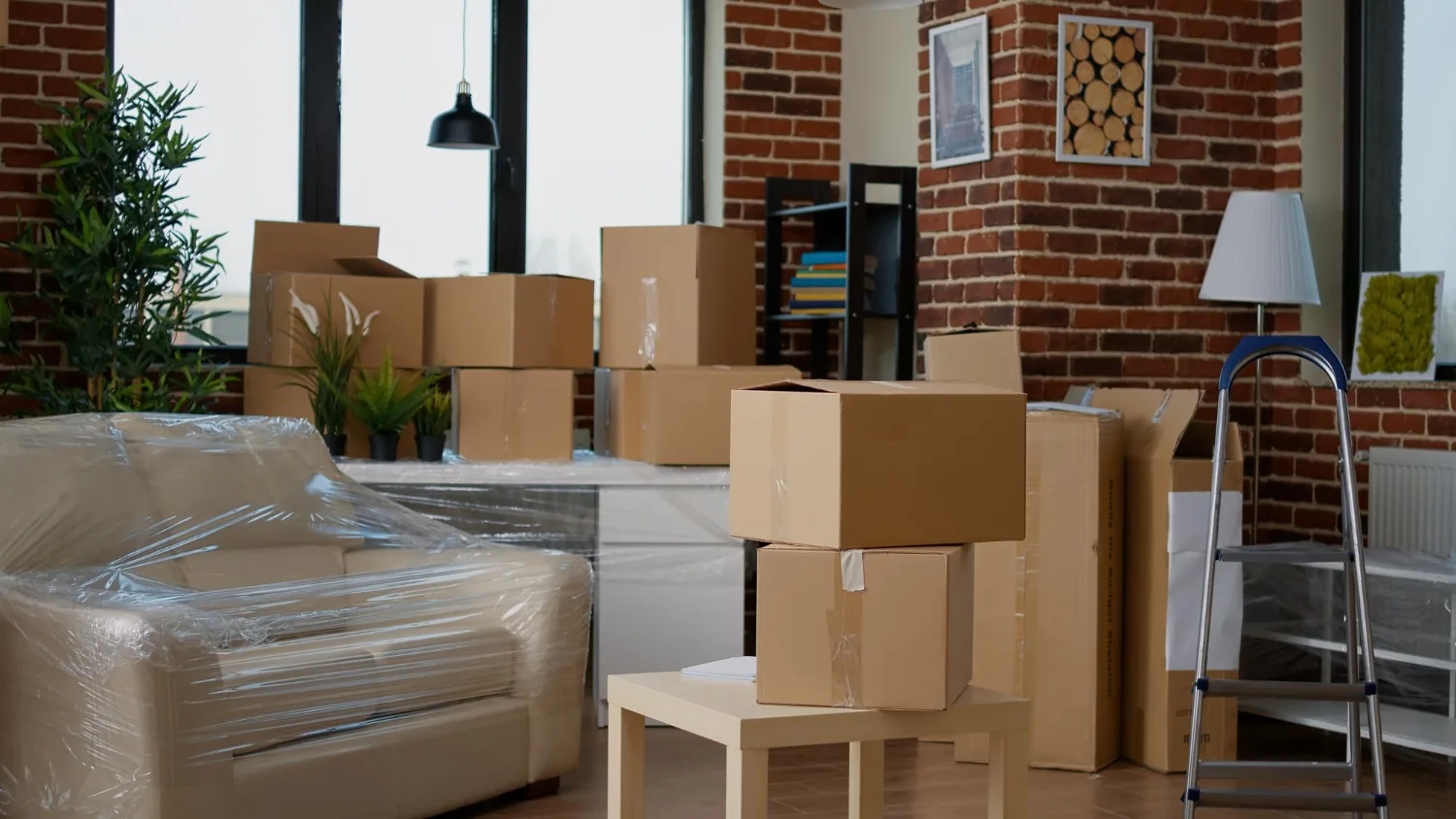

The kitchen is often the most challenging and time-consuming room to pack. It’s filled with a mix of fragile items, sharp objects, and bulky appliances. Doing it correctly is essential to ensure everything arrives at your new home in one piece. But don't worry—with a few professional techniques, you can tackle your kitchen like a pro. This guide will walk you through the best methods for packing everything from delicate wine glasses to heavy pots and pans.
Step 1: Gather the Right Supplies
Before you start, make sure you have the right tools for the job. You’ll need:
- Sturdy Boxes: A mix of small and medium-sized boxes (book boxes and medium cartons). Use small boxes for heavy items like canned goods and cookbooks.
- Cell Kits/Dish Pack Boxes: These boxes have cardboard dividers and are perfect for glassware.
- Packing Paper: Get more than you think you need. Avoid newspaper, as the ink can transfer.
- Bubble Wrap: For extra-fragile items.
- Packing Tape: High-quality tape is a must for sealing boxes securely.
- Markers: For clear and specific labeling.
Step 2: Packing Plates and Bowls (The Vertical Method)
Never pack plates flat. Stacking them horizontally makes them vulnerable to cracking under pressure.
- Place a single plate in the center of a stack of packing paper.
- Pull a corner of the paper over the plate, then place a second plate on top.
- Pull another corner of the paper over the second plate. Continue this process, wrapping each plate individually within the same bundle.
- Once you have a bundle of 3-4 plates, tape it securely.
- Place the bundle in the box vertically, on its edge, just like a record in a crate. This makes them much stronger. Pack them tightly together.
Step 3: Wrapping Glasses and Stemware
Glassware is extremely fragile and requires extra care.
- Stuff the inside: Gently stuff a piece of packing paper inside each glass to provide internal support.
- Roll and wrap: Lay the glass on its side on a sheet of packing paper and roll it, tucking the ends of the paper in as you go. For stemware, use extra paper around the delicate stem.
- Use cell kits: Place each wrapped glass in its own compartment in a cell kit or dish pack box.
- Layering: Always place heavier items at the bottom of the box and lighter, more fragile items like stemware at the top.
Step 4: Securing Silverware and Sharp Knives
- Flatware: You can leave everyday silverware in its tray and wrap the entire tray with plastic wrap. Or, bundle small groups of utensils together, wrap them in paper, and tape the bundle.
- Sharp Knives: Safety first. Wrap knives individually in several layers of packing paper, and then wrap the bundle in a dishtowel or bubble wrap. Consider placing them in a knife block if you have one. Always label the box "SHARP ITEMS."
Step 5: Packing Pots, Pans, and Small Appliances
- Pots and Pans: Nest smaller pots inside larger ones, placing a sheet of packing paper between each one to prevent scratches. Pack lids vertically alongside them.
- Small Appliances: If you still have the original boxes, use them. If not, wrap the appliance in packing paper or bubble wrap and place it in a sturdy box, filling any empty space with crumpled paper to prevent shifting.
Step 6: Label Everything Clearly!
This is the most important step. Label every box with:
- Room: KITCHEN
- Contents: (e.g., "Pots and Pans," "Fragile - Glasses")
- Handling Instructions: "FRAGILE," "THIS SIDE UP"
Conclusion:
Packing a kitchen is a major task, but with these pro tips, you can do it safely and efficiently. However, if the thought of wrapping every single dish still feels overwhelming, there’s an even easier way. Sunshine Affordable Movers offers professional packing services to handle your entire kitchen—or your whole house—for you. Contact us for a free quote and make your move truly stress-free!